WSA directors talk trade, rising inputs at DC Hill Visits
Share This
When every day feels like a “what’s next” moment for farmers, it isn’t hard to tell their story to the people helping to define everyday reality.
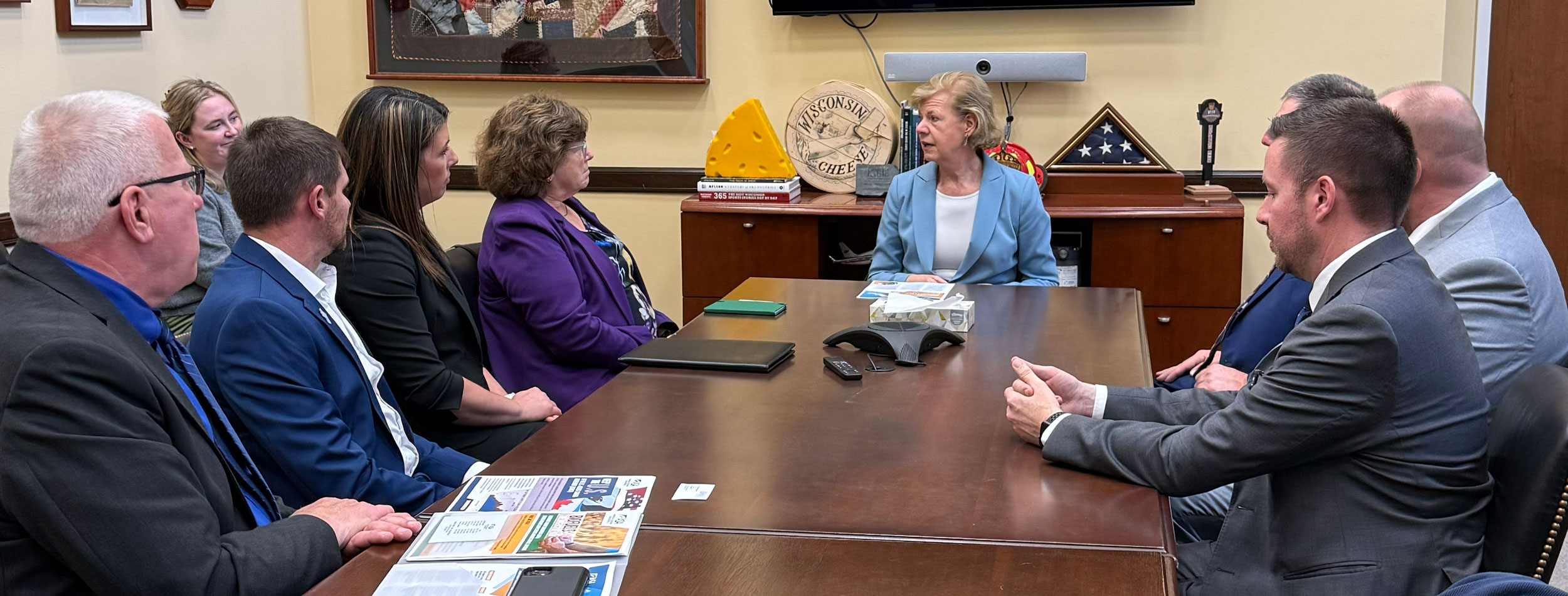
Wisconsin soybean farmers took that message directly to Capitol Hill on March 11, joining the American Soybean Association’s annual advocacy push to make sure Congress and the administration hear what is happening in farm country.
“Our job is to make sure lawmakers hear directly from the farmers living this every day,” WSA President Doug Rebout said. “These visits matter because no one can tell our story better than the people making decisions in real time on the farm.
Joining Rebout at the ASA board meetings and Hill Visits were Executive Director Adam Kask, Vice President Matt Rehberg, directors Sara Stelter and Luke Goessling, along with Wisconsin farmers and American Soybean Association directors Steve Trzebiatowski and Tanner Johnson, who also serves as ASA treasurer. The group met with Wisconsin senators, U.S. representatives and congressional staff to talk through the financial pressures facing soybean farmers and the policy decisions that could help stabilize the farm economy.
The visit centered on three major themes: the farm economy, rising input costs and soybean markets.
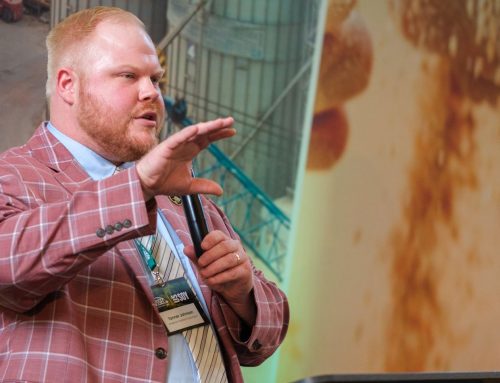
“We’re getting hit pretty hard by the cost of raising a crop,” Johnson said. “And while we appreciate programs this administration has put in place, those programs fall well short of what is needed on our farms.”
Among the key issues raised were the need for a five-year farm bill, additional farm assistance, protection of crop tools and stronger domestic demand through biofuels. Trade and tariffs were also a major focus for the delegation. Rebout pointed to tariffs as a driver of rising costs on anything from fertilizer to machinery.
“When we sit down with our senators and representatives, we are not talking theory,” Rebout said. “We are talking about input bills, weak prices and the real pressure farm families are feeling.”
Johnson echoed the sentiment, pointing out that advocacy is a year-round effort.
“It is important for us to stay in front of legislators, not just when there is a crisis, but all the time,” Johnson said. “Relationships matter in advocacy. When lawmakers know who we are and understand what these policies mean back home, we have a better chance of protecting markets and getting the long-term policy certainty farmers need.”