AI growing roots in soybean farming
Share This
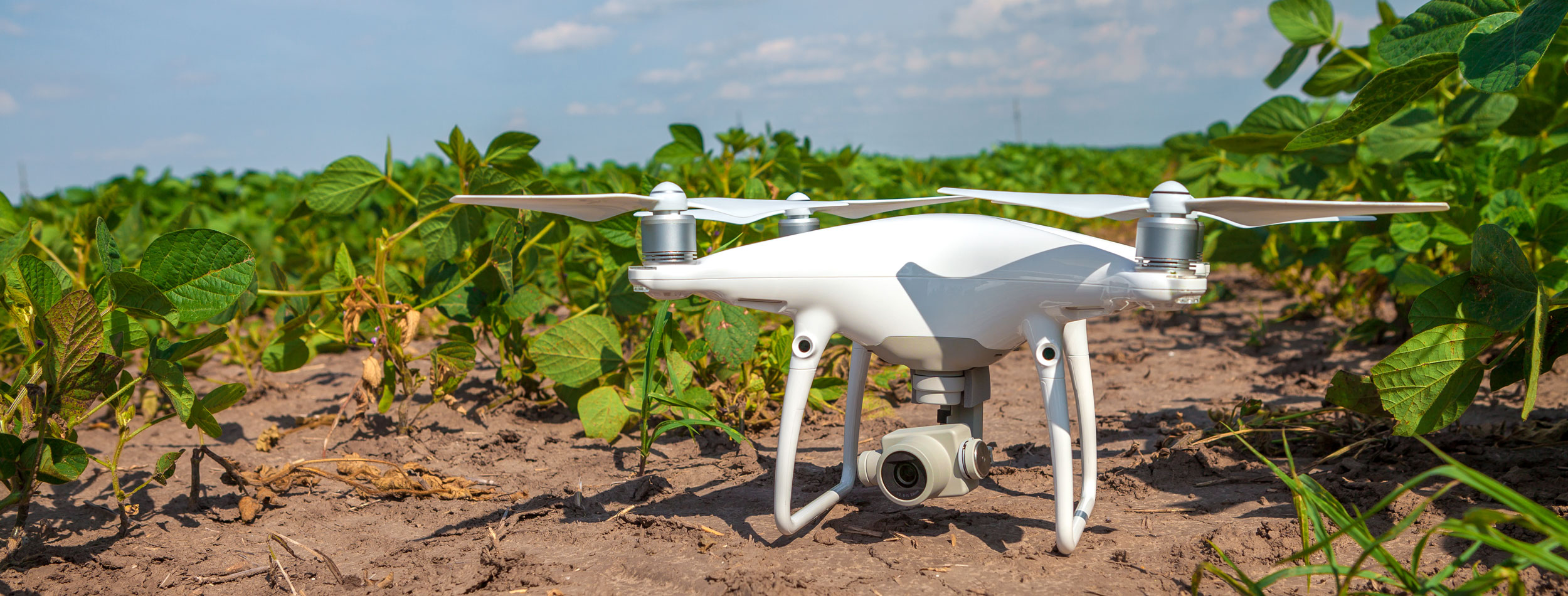
Across soybean fields in the Midwest, data is becoming as essential as seed and soil. As artificial intelligence technology evolves at a remarkable pace, its influence is reaching beyond technology into soybean fields.
Dr. Shawn Conley, a soybean and small grain specialist who has dedicated two decades to agricultural research, views AI as an emerging tool in agriculture.
“With how much AI is advancing, it is an everyday tool,” Conley said. “I use it daily and many others do. too.
Conley said that while AI can help individuals identify optimal production practices for yield and profitability, its broader adoption could foster greater collaboration and communication. As the conversation of AI sprouts, many have concerns about what the “true” cost of this technology is.
“When it comes to the cost of using these sources, many of them are free, like ChatGPT and Google Gemini.” Conley said. “Yes, there is the cost of the machine and mechanical equipment. But there is another cost, the cost of your data.”
AI relies on information to learn and improve. Yield maps, soil samples, planting records, input applications and harvest results all contribute to the recommendations AI systems provide. The more information available, the more useful that recommendation can become.
Conley says in some ways that data itself may be just as valuable as the technology analyzing it. That reality has led many farmers to ask a simple question: What is the true cost of this “innovative” tool for farming?
“When it comes to AI, there is no regulation,” Conley explained. “So when it comes to sharing your private data such as spring records and things that aren’t public domain, you are putting that information out there and could face some sorts of noncompliance issue.”
Despite those concerns, Conley said he remains optimistic about AI’s potential. The reason is simple; information has always been one of a farmer’s most valuable assets. For generations, producers have learned through experience, research and conversation. Rather than replacing farmers’ expertise, Conley sees the potential AI has to serve as a collaborative tool.
“Building off of this tool, it would be beneficial to form a data co-op and a data bank specifically for farmers to input this data and be getting this help AI offers.” Conely added. “Helping our two concerns regarding regulation and privacy.”
The future of AI in soybean production is not just about technology. It is about building a shared resource where farmers contribute real world experiences and receive valuable insights in return, drawing from a wide range of farming experiences to help build a broader knowledge base for the agricultural community.
“The data that you are sharing would be helping other farmers just as theirs would be helping yours,” Conley said.
If that trust can be achieved, AI may become more than another tool on the farm. It may become one of agriculture’s most powerful resources.
“The goal is not to replace a farmer and their hard work, but to help synthesize work and data.”
Conley said access to better information can ultimately lead to better outcomes. Yet despite the rapid pace of change, the goal remains simple: helping farmers make better decisions.